In a world buzzing with excess, minimalism in furniture offers a quiet atmosphere. It strips away the noise, leaving only what actually matters. This isn’t just an aesthetic; it’s a philosophy— one that finds its most tangible expression in how we design and furnish our spaces.
At Echoed Notes, we believe that furniture should do more than just a fill in the room. It should shape the rhythm of your day, offer calm, and reflect intention. Whether you’re redesigning a home or simply rethinking your space, here’s our curated guide to minimalist furniture. Here are some timeless pieces, thoughtful materials, and silent utility.
1. Define the Space Before the Stuff
Minimalism begins not with furniture, but with space. Ask yourself: What is this room for? A living room might be a place for reading, relaxing, or conversation. It does not necessarily be a place for more seating than people. Start with purpose.
Echoed Notes Tip: Try emptying the room first. Let it breathe. Then add only what supports its core function.
2. Prioritize Function Over Form (But Embrace Both)
A minimalist chair should be comfortable. A minimalist desk should invite focus in the room. While clean lines and neutral palettes are hallmarks of minimalist design, function must always lead. A beautiful chair that’s awkward to sit in isn’t minimalist.
Look for:
- Hidden storage in sideboards or coffee tables.
- Modular sofas that adapt to need.
- Dining tables that expand, but don’t overwhelm.
When form follows function, beauty becomes effortless.
3. Choose Quality Over Quantity
Fewer pieces means each one matters more to the room. Invest in materials that age well: solid wood, stainless steel, tempered glass, and natural fabrics. Minimalism doesn’t demand austerity—it asks for mindfulness. A single well-crafted oak table can outlast five composite ones.
At Echoed Notes, we recommend:
- Solid walnut or ash wood for warmth and resilience.
- Linen and cotton blends for softness with structure.
- Brushed metal or matte black finishes for accent.
Each texture speaks softly but distinctly.
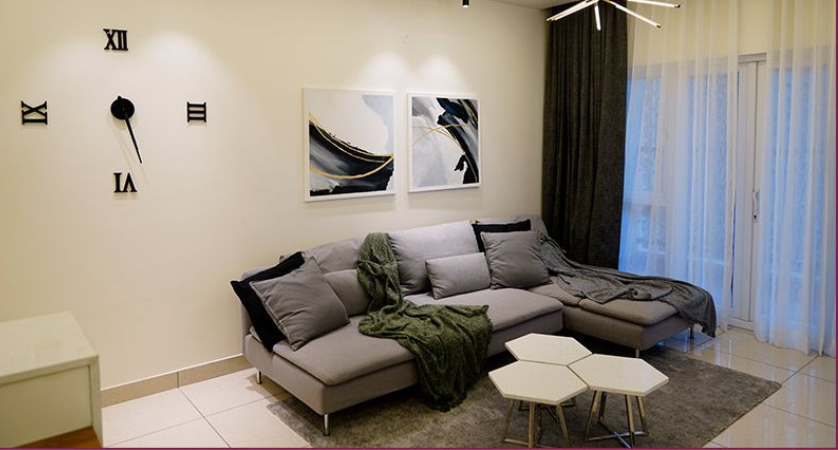
4. Let Negative Space Be Part of the Design
In minimalism, space is not empty—it’s eloquent. Negative space allows your mind to rest, your eyes to move freely, and your furniture to stand out.
Avoid crowding. Leave margins around each piece. Consider wall-mounted shelving to lift storage off the floor. Think of space as a pause between notes—it’s where meaning lives.
5. Stick to a Restrained Color Palette
Neutral tones ground a space. White, black, beige, soft greys, and natural wood tones form the backbone of minimalist interiors. A consistent palette creates cohesion. Add a single contrasting hue for interest. A navy cushion, a rust-colored throw, a single olive-green plant stand may work.
Echoes of color, not explosions, define the minimalist rhythm.
6. Multifunctional Pieces Are Your Allies
Minimalist furniture doesn’t waste space. Look for pieces that do twice the purpose:
- A bench with storage beneath.
- A mirror with a shelf.
- A bed frame with drawers built in.
These designs reduce clutter without adding complexity. Less truly becomes more.
7. Be Wary of “Minimalist” Trends
Some furniture claims to be minimalist simply because it’s white or angular. But true minimalism goes beyond appearance. It’s more about intention and utility. A transparent acrylic chair may look spare, but if it doesn’t serve your life, it’s just aesthetic clutter.
Minimalism honors what you keep, not what you discard.
8. Maintenance Matters
Minimalist furniture often reveals rather than hides. Dust, fingerprints, and scuffs show more easily on open surfaces and smooth finishes. Choose materials and finishes that are easier to maintain. Especially if you live with pets, children, or in high-traffic areas.
Tips:
- Go for matte finishes to reduce visible smudges.
- Use removable, washable cushion covers.
- Keep microfiber cloths handy.
A clean space extends the minimalist mindset.
9. Think Long-Term, Not Seasonal
Minimalist furniture is an investment in longevity. It’s not about following yearly trends or reinventing your home every season. Buy with decades in mind. Avoid fast furniture. It costs more—in waste and in soul.
Sustainable choices, timeless silhouettes, and versatile designs are the pillars of minimalist longevity.
10. Let Silence Guide You
Minimalism is as much about feeling as form. Enter your space. Sit in it. Listen. Does the furniture support quiet moments? Does the space invite stillness or distract with decoration?
At Echoed Notes, we believe the best furniture doesn’t speak loudly—it echoes your values.
Minimalism isn’t about empty rooms or rigid rules. It’s about making space—physically and mentally—for what really matters. Furniture is only one part of that equation, but it’s an important one. Choose pieces that reflect peace, function with grace, and grow with you.
Let your space become an echo of intention.